

Preparing for Wasp Problems This Winter – Getting Ahead for Next Spring

As the colder months approach, many homeowners assume that wasp trouble is over for the year. In fact, winter is a crucial period when the groundwork for next spring’s wasp activity is being laid. By taking a few proactive steps now, you can greatly reduce the chance of a wasp nest forming on your property next season.

Why Winter Matters

During winter, only the queen wasp survives. She hibernates through the cold months and then emerges in spring to build a new nest. Fertilised queens seek sheltered areas such as lofts, wall cavities, sheds and garages to overwinter safely. Since old nests are never reused, reducing potential hiding and nesting spots now can make a big difference once spring arrives.

What You Should Do This Winter

Inspect and seal potential entry points
Check lofts, eaves, roof spaces, sheds, garages and outbuildings for any small gaps or holes. Seal these with foam, sealant or steel wool to stop queens finding a warm crevice. Pay particular attention to fascia boards, soffits and guttering, as these are common access points.

Tidy up around the garden and property
Clear away fallen fruit, ripe berries, compost piles and decaying vegetation. Wasps are attracted to sugary sources late in the year, so removing these helps discourage activity. Tidy up piles of wood, leaf litter and debris near walls or fences which could shelter hibernating queens.

Remove old nests and inspect regularly
Even though wasps won’t reuse an old nest, their presence shows the area was suitable before. Removing these nests makes it easier to spot new ones next year and reduces attraction. Always wear protective clothing when handling old nests or contact CSS Pest Services to handle this safely.

Monitor early spring activity
When the weather warms up in March or April, queen wasps start looking for nesting sites. If you notice a single wasp repeatedly flying into the same spot, or small papery material being built up, act quickly. A small early nest is far easier and cheaper to treat than a mature one later in the season.

Why Professional Help Is Worth It

Some nests are in awkward or hidden places like roof voids or behind cladding. DIY treatments can be dangerous and often only disturb the wasps without solving the problem. CSS Pest Services technicians are BPCA certified and use the correct equipment and treatments to remove nests safely and effectively. Booking a professional inspection before spring gives you peace of mind and helps avoid larger infestations later.

Quick Winter Checklist

  • Seal any cracks or gaps in walls, roofs and sheds
  • Clear away fruit, debris and garden clutter
  • Remove old nests safely or arrange a professional visit
  • Keep unused sheds and lofts closed through the winter
  • Watch for early spring activity and act quickly if you see it

By taking these simple steps now, you can prevent wasp problems next spring and enjoy the warmer months without the stress of nests forming around your home

How Do Rats and Mice Invade Homes and Businesses – And How to Stop Them

Rats and mice are among the most common pests affecting both domestic and commercial properties in the UK. These rodents are resourceful, fast-breeding, and capable of causing significant damage if not dealt with quickly. At CSS Pest Control, we specialise in identifying infestations, controlling them effectively, and preventing future problems.

How Rats and Mice Invade Properties

Rodents are highly adaptable and can squeeze through incredibly small gaps:

  • Mice can get through openings as small as 6mm (about the width of a pencil).
  • Rats need only 10–12mm to gain entry.

Typical entry points include:

  • Gaps around doors, air bricks, vents, or poorly sealed pipework.
  • Holes in walls, roof spaces, or damaged brickwork.
  • Open drains or broken inspection chambers (a common rat entry route in the UK).

Once inside, rats and mice will quickly seek out food, water, and shelter – making kitchens, storerooms, basements, and lofts particularly vulnerable.

The Problems They Create

Rodents are more than just an inconvenience. They bring a range of health and safety risks:

  • Health hazards – Rats and mice can spread diseases such as Salmonella, Leptospirosis (Weil’s disease), and Listeria, contaminating food and preparation surfaces.
  • Structural damage – Their constant gnawing can damage wood, insulation, and even electrical wiring, creating a fire risk.
  • Business risks – For commercial premises, especially in food and hospitality, a rodent problem can damage your reputation and may lead to closure if hygiene regulations are breached.
  • Rapid reproduction – Mice can breed every 21 days, and a single pair of rats can produce dozens of offspring per year, meaning infestations escalate quickly.

How Are They Treated?

Professional rodent control in the UK follows a structured approach in line with best practice and industry guidelines, such as those from the British Pest Control Association (BPCA) and the Campaign for Responsible Rodenticide Use (CRRU).

  1. Survey and Identification
    A professional pest controller will inspect the property to identify signs of activity (droppings, gnaw marks, grease trails, nesting material) and locate entry points.
  2. Proofing and Prevention
    • Sealing gaps and holes with rodent-proof materials (steel mesh, cement, metal kick plates).
    • Fitting bristle strips to doors and covers to vents.
    • Ensuring proper waste storage and hygiene practices.
  3. Treatment
    • Traps: Snap traps, break-back traps, and live-catch traps are commonly used.
    • Rodenticides: Where necessary, professional-use rodenticides may be deployed in tamper-proof bait stations. These are used carefully under strict CRRU guidelines to protect people, pets, and wildlife.
    • Integrated Pest Management (IPM): Combining physical control, proofing, and ongoing monitoring for long-term success.
  4. Monitoring and Follow-up
    A professional service includes return visits to check progress, remove carcasses, and ensure the problem has been fully eradicated.

Why Choose Professional Rodent Control?

DIY methods such as shop-bought poisons and traps often fail to tackle the root cause of an infestation. Professional pest controllers not only remove rodents quickly but also provide long-term prevention, ensuring your home or business stays rodent-free.

At CSS Pest Control, we operate in line with UK safety standards and industry codes of practice, giving you peace of mind that infestations are treated responsibly and effectively.

If you suspect rats or mice on your premises, act quickly. Contact CSS Pest Control today for a professional survey and safe, effective treatment for rat and mice problems

Finding Our Way Directory

Solar Panel Pigeon Proofing: Protecting Your Panels from Birds and Pests

Why Solar Panels Attract Pigeons and Other Birds

Solar panels are a fantastic investment for clean, renewable energy. Unfortunately, they also provide the perfect roosting and nesting space for nuisance birds such as pigeons, jackdaws, and even squirrels. The sheltered gaps beneath panels mimic a natural nesting site, making them highly attractive to pests.

Once established, these unwanted visitors can cause serious problems. Pigeons in particular leave behind large amounts of droppings and debris, creating a mess and potential health hazards. This is why professional solar panel pigeon proofing has become an essential service for many homeowners.

The Hidden Risks of Bird Infestation

Allowing pigeons or other birds to nest under your solar panels isn’t just unsightly, it can be costly. Pigeon guano is corrosive, meaning it can damage the surface of your solar panels over time. This build-up reduces efficiency, limiting the amount of electricity your panels can produce.

Blocked gutters, noise disturbance, and even structural damage are all common side effects of bird infestations. Without bird proofing solar panels, homeowners may find themselves facing unnecessary repairs and a drop in renewable energy output.

Professional Bird Proofing for Solar Panels

At CSS Pest Services, we provide a complete proofing solution designed to protect your investment. Our process begins with a full survey of your solar panels to assess the extent of the problem. We then clear away any nesting material, droppings, and debris before installing a professional mesh barrier system.

This high-quality mesh is the most effective method of protecting solar panels from pigeons and other pests. It securely blocks access to the spaces underneath your panels, ensuring birds cannot return to nest or roost.

A Neat and Long-Lasting Solution

Many homeowners worry that bird proofing may affect the look or performance of their panels. Our system is designed to be discreet, neat, and completely safe. The mesh barrier does not interfere with the operation of your panels, allowing them to work at full efficiency while staying protected.

Once fitted, the system provides a long-lasting solution that keeps pests away and prevents further damage to your property.

Start Protecting Your Solar Panels Today

Your solar panels are a valuable investment that should be kept clean, efficient, and pest-free. With professional solar panel pigeon proofing, you can avoid costly damage, protect your renewable energy supply, and enjoy peace of mind.

Contact CSS Pest Services today for your free bird-proofing survey and start protecting your solar panels from pigeons and other nuisance pests.

Summer Wasp Problems: Dangers, Nests, and How to Deal With Them

Wasp Activity Increases in Summer

As summer temperatures rise, wasps become far more active and visible around homes and gardens. These insects thrive in warm, dry weather, and their colonies can grow rapidly in size during the peak summer months. By mid to late summer, it’s common to see large numbers of wasps searching for food or hovering near their nests. Domestic premises often provide ideal nesting spots such as sheds, lofts, cavity walls, and under roof eaves, which makes residential properties especially vulnerable.

Why Wasps Are a Threat

While a single wasp can be a nuisance, a nest poses a serious risk. Wasps are territorial and will defend their nest aggressively if they feel it’s under threat. Unlike bees, wasps can sting multiple times, and their stings can be painful and dangerous. For some people, especially children and those with allergies, a wasp sting can trigger severe reactions such as anaphylaxis, which may require emergency medical attention. Even for those without allergies, a swarm of angry wasps is a frightening and potentially harmful experience.

Identifying a Nest on Your Property

Homeowners often become aware of a wasp nest when they see regular flight paths of wasps entering and exiting a specific area, such as a roofline, air brick, or shed corner. Nests can vary in size and appearance but are usually grey, papery structures built from chewed wood pulp. The earlier a nest is identified, the easier it is to treat, so spotting signs of increased wasp activity early in the summer can help avoid more serious problems later on.

Safe and Effective Treatment Options

Attempting to remove a wasp nest without the proper equipment or experience can be extremely dangerous. DIY sprays or powders can agitate the colony and result in aggressive behaviour from the wasps. Professional pest control services are the safest and most effective way to deal with wasp nests. Technicians use specialised insecticides that are fast-acting and target the entire nest, killing the queen and her workers. These treatments are typically applied at the nest entrance or directly onto the structure, depending on accessibility.

Reaching Hard-to-Access Nests

Not all wasp nests are easy to reach. Some may be hidden inside wall cavities, lofts, or behind brickwork. Professional pest controllers are trained to handle these situations using long-reach application tools or by drilling small holes to inject powder treatments into hidden spaces. Regardless of the nest location, expert services ensure the nest is treated quickly and with minimal disruption.

Preventing Future Infestations

Once a nest has been treated and the colony destroyed, it will not be reused. However, new queens will look for nesting sites the following year. To reduce the risk of repeat infestations, homeowners should seal up small gaps or holes in the spring, keep food waste covered and secure, and monitor areas that have had nests in the past. Early intervention is key, and spotting new nests when they are still small can make treatment easier and safer.

Call in the Experts

If you notice an unusual number of wasps around your home or suspect a nest is nearby, don’t wait. Contact a professional pest control company to inspect the site and safely remove the wasps nest. With expert help, you can enjoy your summer with peace of mind, knowing your home and garden are protected from one of summer’s most persistent and dangerous pests.

Why Your Food Business Needs a Good Pest Management Service

Pest management is an essential facet of food safety in the UK, as pests can present a substantial threat to the quality and safety of food products. Pests can taint food with harmful bacteria and pathogens, and their presence can also lead to reputational damage and financial losses for businesses. Therefore, the UK has established stringent food standards to ensure that food products are produced, stored, and distributed in a manner that minimizes the risk of pest infestations.

Food Standards Agency (FSA)

The Food Standards Agency (FSA) is a UK government agency responsible for ensuring that food products are safe and meet legal requirements. The FSA establishes food standards and regulations that all food businesses must adhere to, including regulations on pest management. The FSA collaborates closely with local authorities to inspect food businesses and ensure their compliance with proper pest management practices.

Food Hygiene Regulations

The Food Hygiene Regulations are a set of regulations that are applicable to all food businesses in the UK. These regulations mandate that food businesses take all necessary precautions to prevent pests from gaining access to food premises and contaminating food products. They also require food businesses to implement effective pest control measures, such as regular pest inspections and the use of appropriate pest control methods.

Pest Control Methods

The utilisation of pesticides is a prevalent pest control method employed by food businesses, but the use of pesticides must be carefully regulated to prevent food product contamination or harm to human health. The FSA has established guidelines regarding pesticide usage in food businesses, which necessitate businesses to:

• Employ only approved pesticides that are safe for use in food premises.

• Apply pesticides in a manner that minimizes the risk of food product contamination.

• Maintain accurate records of all pesticide usage and ensure that pesticide residues do not exceed legal limits.

The FSA also advocates the use of non-chemical pest control methods whenever possible, including:

• Physical control methods such as fly screens, air curtains, and door closers to prevent pests from entering food premises.

• Good hygiene practices such as cleaning and disinfection to eliminate pest attractants.

• Traps and baits to capture and eliminate pests.

Pest Inspections

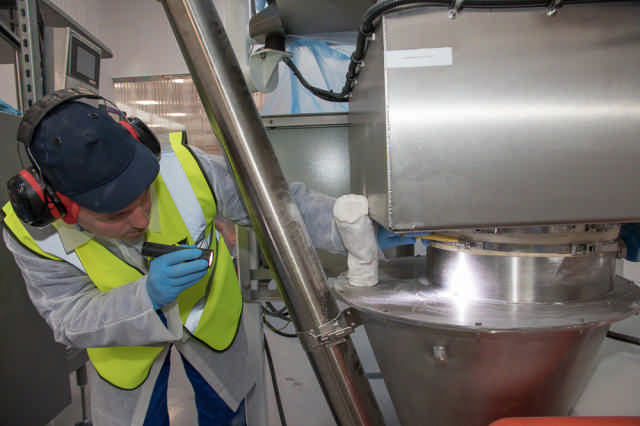
Regular pest inspections are a pivotal component of effective pest management in food businesses. The FSA recommends that food businesses establish a pest control contract with a reputable pest control company, which should encompass routine pest inspections. These inspections should be conducted by trained and qualified pest control technicians, who will identify any pest issues and recommend appropriate control measures.

Food Storage and Distribution

Proper storage and distribution of food products are also crucial in minimizing the risk of pest infestations. The FSA has laid down guidelines for food storage and distribution, requiring food businesses to:

• Store food products in a manner that reduces the risk of pest infestations, such as elevating food products off the floor and away from walls.

• Utilise suitable packaging and storage containers to prevent pests from accessing food products.

• Ensure that food products are transported in clean and pest-free vehicles.

Food Safety Audits

Food safety audits conducted by the FSA are an integral part of the regulatory framework that ensures the safety and hygiene of food businesses. The FSA’s responsibility is to safeguard public health concerning food safety and hygiene throughout the United Kingdom.

Food safety audits involve comprehensive assessments carried out by the FSA to gauge a food business’s compliance with pertinent regulations, standards, and best practices. The primary objective of these audits is to identify potential risks and areas of non-compliance, thereby preventing foodborne illnesses and upholding consumer confidence in the food industry.

Key elements of food safety audits encompass:

Inspection and Evaluation: Trained auditors from the FSA visit food businesses, including restaurants, cafes, manufacturers, processors, and retailers, to assess their operations. They examine various aspects such as premises, equipment, food handling practices, documentation, and staff training.

Regulatory Compliance: Auditors assess a food business’s compliance with food safety regulations and legislation, including the Food Safety Act 1990 and the Food Hygiene Regulations. They ascertain whether the business has established appropriate systems and procedures to ensure food safety, covering aspects such as temperature control, pest control, cleaning practices, and allergen management.

Hazard Analysis and Critical Control Points (HACCP): The FSA expects food businesses to implement HACCP principles, a systematic approach to identify and control food safety hazards. Auditors review HACCP plans to ensure that potential risks are identified, appropriate control measures are in place, and records are maintained.

Good Hygiene Practices: The FSA evaluates whether food businesses adhere to good hygiene practices, including staff personal hygiene, availability of handwashing facilities, proper storage and handling of food, prevention of cross-contamination, and effective cleaning and sanitization procedures.

Record Keeping: Auditors review the records and documentation maintained by food businesses, such as temperature logs, cleaning schedules, staff training records, and supplier approvals. These records serve as evidence that food safety procedures are consistently followed.

Risk Rating: Based on the audit findings, the FSA assigns a risk rating to the food business, reflecting its level of compliance and determining the frequency of future audits. Higher-risk establishments may undergo more frequent inspections to ensure ongoing compliance and improvements.

Enforcement and Improvement: In cases of significant non-compliance, the FSA can take enforcement actions, ranging from issuing improvement notices to prosecution. They provide guidance and support to businesses to rectify issues and enhance their food safety practices.

Transparency and Consumer Information: The FSA maintains a public register where inspection results and ratings for food businesses are published. This enables consumers to make informed choices and promotes transparency within the food industry.

Overall, food safety audits conducted by the Food Standards Agency in the UK play a vital role in guaranteeing that food businesses adhere to regulations, uphold high hygiene standards, and safeguard public health.

Conclusion

Pest management is a crucial aspect of food safety in the UK, and food businesses are obligated to adhere to stringent food standards and regulations to mitigate the risk of pest infestations. The FSA establishes food standards and regulations that necessitate food businesses to implement effective pest control measures, including regular pest inspections and the utilisation of appropriate pest control methods.

The Mats Directory

UK opening hours The Elf Directory AzListed – Human edited directory that offers webmasters a choice of a free or paid website submission.
Between Two Dates
Lider Press Directory
Expotural.com
Abiz Directory
Industrial Companies Directory – UK Industrial & Commercial Suppliers
SeekWebsites DIRECTORY
Saanvi Web Directory – Human edited web directory. Services
Our website is listed in tradequotes.org – Derbyshire Directory
Kansoken

Business Services Directory – UK business services including procurement, telesales, telemarketing, payroll and finance services.
Abiz Directory
You can find us in homeandgardenlistings.co.uk’s Pest Control Directory
LiveCycle Portal
ACF Directory